Blog
Insuring a Yacht Over 10m? Here’s What Marine Surveyors Will Be Looking For
Feb
Our marine surveyors at Seaworthy Inspections have extensive experience preparing insurance condition reports for recreational vessels of varying sizes. For boats bigger than 9.5 metres, however, reporting on all the aspects of your boat (including technical components and equipment), requires a more comprehensive approach, and perhaps even services from a specialised surveyor.
Whether you currently own a yacht over 10 metres or are considering investing in vessels of this size and are in the midst of your preliminary research, today’s guide will provide some more information on insurance considerations for larger hobby boats.
Here are some insights from our marine surveyors into what insurers look for when assessing vessels measuring 9.5 metres or above.
What is an insurance marine survey?
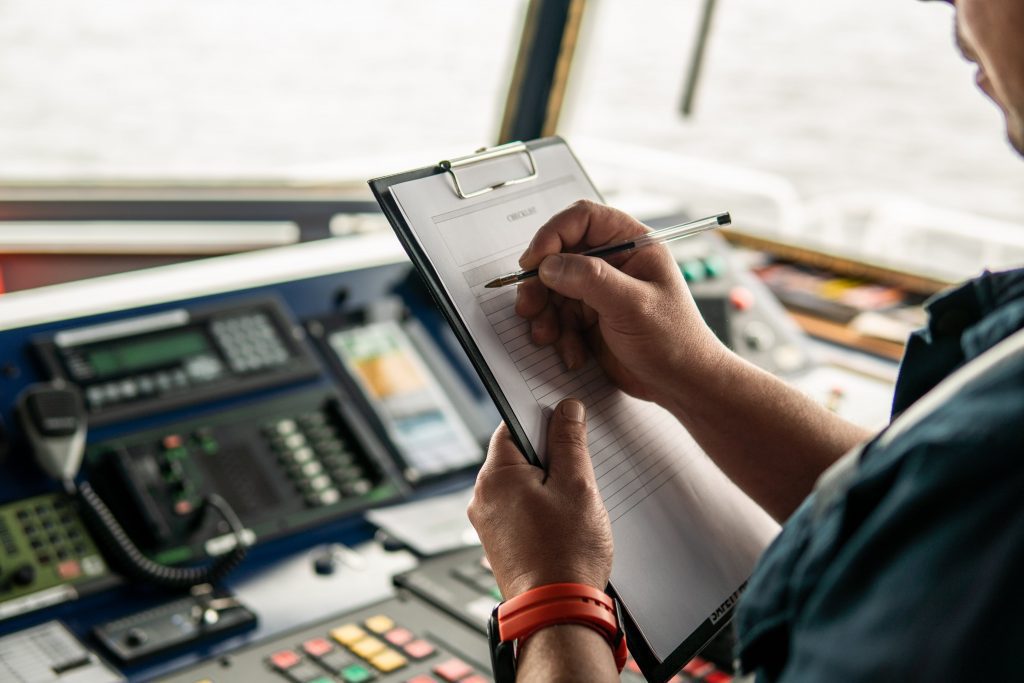
An insurance marine survey is a professional inspection of a vessel on behalf of a marine insurance provider. These surveys are conducted to assess the total risk of insuring a vessel based on the condition and estimated value of that vessel.
Marine surveys are typically conducted to:
- Underwrite insurance policies (i.e. before marine insurance policies are issued or renewed)
- Determine the seaworthiness of a vessel or the vessel’s condition
- Outline the vessel’s assessed market value and insured value
- Assess damage or loss following an insurance claim (i.e. claims survey)
Why Do Yachts Over 10m Require a Marine Survey for Insurance?
Vessels measuring at over 10m in length are considered to be higher risk for marine insurers due to increased potential for financial, environmental, and liability damages. Vessels of this size typically require more dynamic repair and maintenance considerations, alongside boasting greater risk of navigational hazards and susceptibility to damage caused by elemental exposure (i.e. heavy winds and tides).
Vessels measuring at over 10m in length typically also require particular equipment, like specialised oversized boat trailers for safe transportation. This poses greater risks of road-related incidents for insurers, which may also influence policy premiums for vessel owners.
Finally, in the event that your vessel is damaged or in need of repairs (and perhaps even specialised spare parts), the higher estimated costs of towing, wreckage removals, and other logistical costs are also considered when underwriting policies or vessels larger than 10m.
To summarise, here are the key reasons why marine insurers categories vessels over 10m in length as high-risk:
- Higher value asset = higher repair and maintenance costs
- More sophisticated equipment and navigation systems
- Greater environmental risk factors
- Higher towing and wreckage removal costs
What marine surveyors focus on during insurance surveys
Marine surveyors conducting insurance surveys will generally assess the following components for vessels over 10m.
Hull, Deck, and Structural Integrity Checks
Hull and corrosion checks are foundational for insurance surveys to accurately assess the overall condition of your vessel and estimate market and insured value accordingly. Alongside visually inspecting the hull for signs of cracks, leaks, biofouling, or other structural concerns, marine surveyors will also incorporate dye penetrant inspections and other testing methods to gauge structural integrity.
Corrosion and Electrolysis Risks
Corrosion evaluations typically include a visual inspection of your boat’s exterior (i.e. for signs of rust) paired with ultrasonic testing and/or magnetic particle testing to identify any signs of internal corrosion.
Marine surveyors conduct these tests both across hulls, propellers, and other underwater or submerged components to identify electrolytic corrosion (occurring when DC electrical currents react in water to trigger rapid corrosion of underwater metal components).
Mechanical and Electrical Systems Reviews
Poorly maintained mechanical and electrical systems can result in elevated risks of physical damage, electrical fires, and other highly damaging hazards. Because of these elevated risk factors, insurance marine surveyors will conduct a visual inspection of all electrical components as well as thorough electrical testing to ensure all electrical equipment is free of corrosion, exposed wiring, and other signs of damage.
Mechanical systems like rudders, steering systems, and engine components are also thoroughly inspected to ensure all vital components are kept in good working order.
Safety Equipment and Compliance Requirements
Marine insurance providers are also mindful of marine standards and regulatory compliance requirements for vessel owners. If your vessel is found to be non-compliant at the time of your insurance survey, your insurer will likely communicate that your vessel does not currently meet their eligibility requirements for coverage, and that the cases of non-compliance must first be addressed before your policy can be approved or renewed.
Common areas of reported non-compliance during insurance surveys include:
- Hull and through hull fittings
- Engine and propulsion systems
- Safety and emergency equipment
- Compliance status
What can delay or complicate yacht insurance approval?
Alongside cases of non-compliance, yacht insurance approvals can also be delayed due to:
Vague or Incomplete Inspection Reporting
Insurers typically discredit surveys that are older than 2 years old when underwriting new policies or even renewing existing policies. Similarly, poorly written boat condition and survey reports that use vague or non-descriptive language and include no supporting photos or documentation may also prompt insurers to request that the reports be redone prior to your insurance survey.
Our list of report inclusions here at Seaworthy Inspections is designed to leave no gaps and no stone unturned. With our thorough approach to marine survey reporting, you can ensure your insurance provider is wholly satisfied with the condition reporting and other documentation accompanying your application.
Assessment of Various Vessel Applications (i.e. Fishing, Ocean Crossings, High Speed Craft etc.)
If you’re using your vessel for a variety of recreational activities and across different environments, your insurer will likely assess the overall risk factors of all these activities when underwriting your marine insurance policy.
Assessment of Historic Claims and Recorded Losses
If your history as a boat owner has included some insurance claims and recorded losses in the past, your insurance provider will take the necessary time to assess these historic claims to gauge the total risk factor in insuring your vessel.
Full Assessment of Maintenance and Servicing History for Older Vessels
Insurers will also assess historic records of vessel maintenance and servicing, looking specifically for suspicious or concerning gaps in servicing history, as well as for evidence of repeat operational issues that may make your vessel higher-risk for your insurance provider.
Investigation into Suspiciously Unrealistic Market or Insurance Valuations
If your vessel’s market valuation doesn’t align with the estimated value outlined by your insurance surveyor, your insurer may take the time to investigate the inflated market value. This is why it’s in your best interests to ensure your market value stays realistic across all documentation.
Lack of Consistent Communication from Policyholders
Finally, you can help keep our insurance approval timely by simply maintaining consistent communication with your marine insurance provider. Any delays in email or phone communications between your insurer and marine surveyors will delay your process of securing approval and being able to take your yacht out on the water fully insured and with total confidence.
Prepare your yacht for its next insurance survey
If you’re due for an insurance renewal, don’t waste any time booking your next marine survey. Book a marine survey for your yacht over 9.5 metres with our team of expert marine surveyors at Seaworthy Inspections today.. You can easily make an appointment in your city via our website, or simply contact us to inquire further about our marine survey services.
Areas we service for insurance marine surveys
Seaworthy Inspections services boat owners across multiple locations, making your next scheduled marine survey a dream to organise.
Book a mobile marine survey with our team at any of the below locations:
- Brisbane
- Perth
- Melbourne
- Sydney
- Newcastle
- Mackay
- Hobart
- Sunshine Coast
- Gippsland
- Townsville